
| LIST OF UP TO 5 PUBLICATIONS, WIDELY-USED DATASETS, SOFTWARE, GOODS, SERVICES, OR ANY OTHER ACHIEVEMENTS RELEVANT TO THE CALL CONTENT// Key elements of the achievement, including a short qualitative assessment of its impact and (whereavailable) itsdigital object identifier (DOI) or other type of persistent identifier (PID). Publications, in particular journal articles, are expected to be open access. Datasets are expected to be FAIR and ‘as open as possible, as closed as necessary’ | |
| Type of achievement | Short description// Max. 500 characters (incl. spaces) per item |
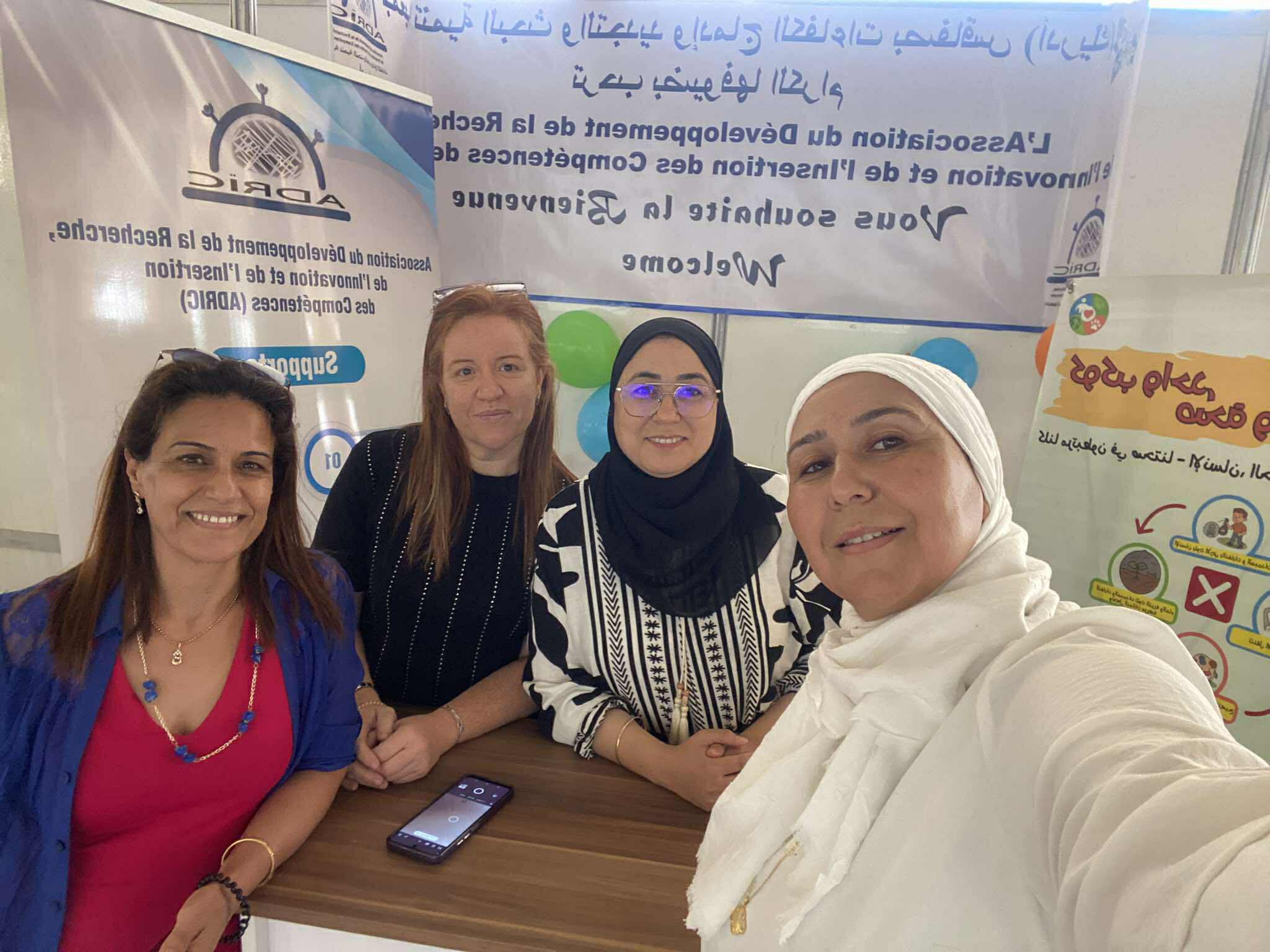
| 1. Science Event – TWiSE Night (European Researchers’ Night 2023–2025 | ADRIC took part in this event, managed and executed activities designed to engage both scientists and the public through workshops, exhibitions, and creative performances. |
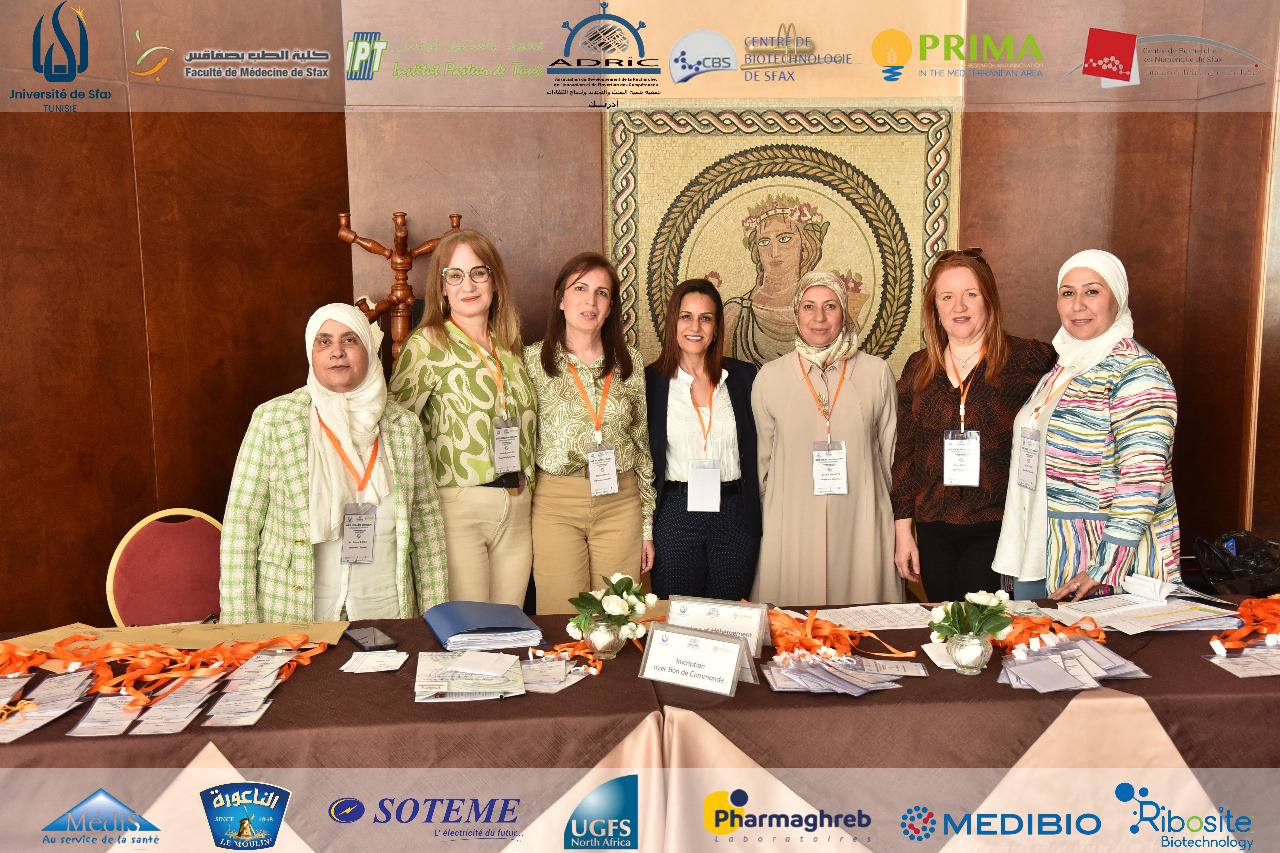
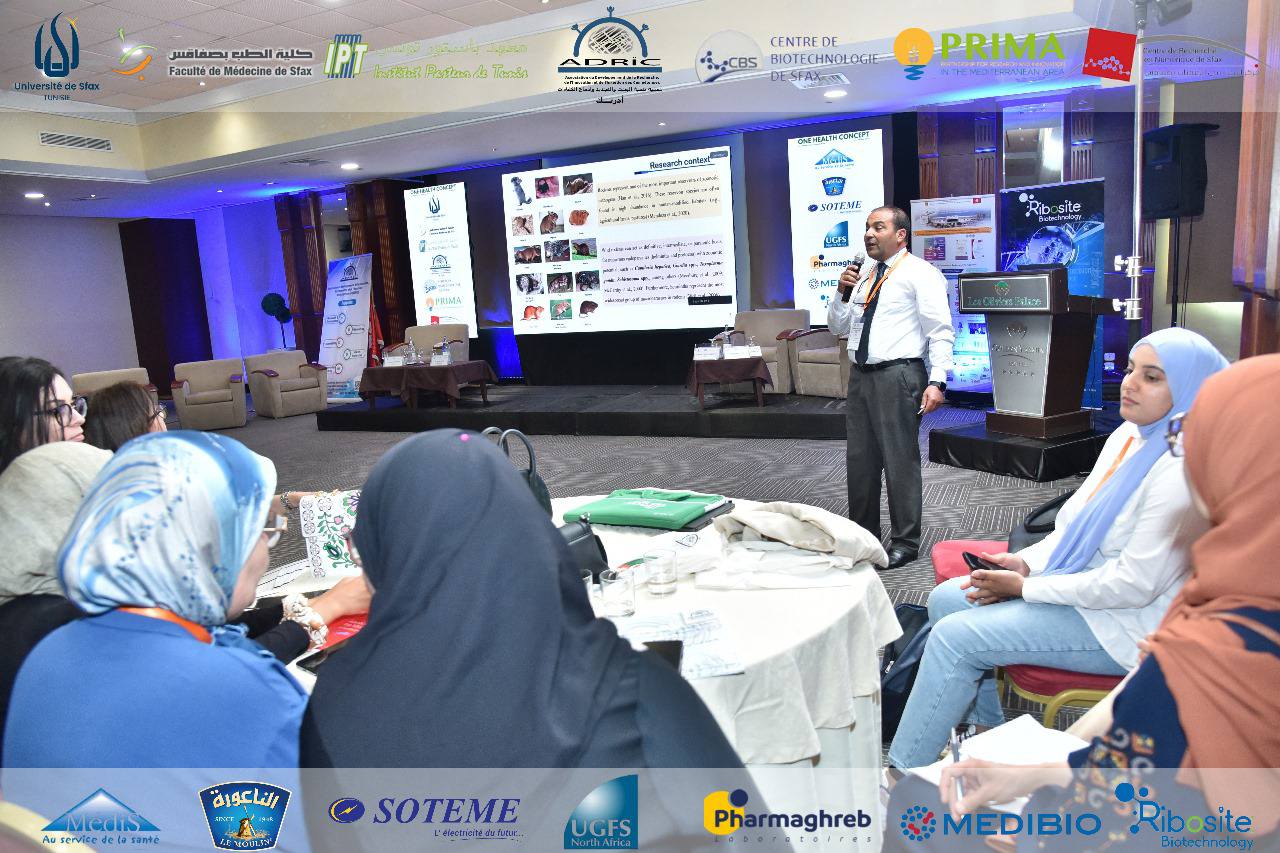
| 2.The international conference “One Health Concept :International Conference for Plant, animal & Human Safety and Environnment Improvement” | National interdisciplinary conference organised by ADRIC in May, 2025 to raise awareness on the One Health concept and foster dialogue between scientific experts, educators, and citizens on global health challenges. |
| 3. The international conference ‘ Application de la recherche et du diagnostic médical par séquençage Haut débit (NGS)’ (May, 2024) | It gathered researchers and industry experts to share advances in next-generation sequencing, genomics, and bioinformatics, fostering collaboration, knowledge exchange, and capacity-building in applied biotechnology |
| 4. Awareness Campaign – Public Health and Environment (2019–2023) | Community-based initiatives addressing topics such as cancer prevention, diabetes, and environmental protection, demonstrating ADRIC’s long-term expertise in transforming research into citizen knowledge. |
| 5. Training and Innovation Seminars (2018–2024) | Collaborative sessions with universities and research institutions to enhance scientific skills, promote innovation, and support young researchers’ integration into the socio-economic environment. |